Performance Max: how it works and when it makes sense
6 min read
Performance Max serves your ad across Search, Shopping, Display, YouTube, Gmail, Discover and Maps from a single set of assets. It's equally powerful and opaque — it works well when the foundation is right.
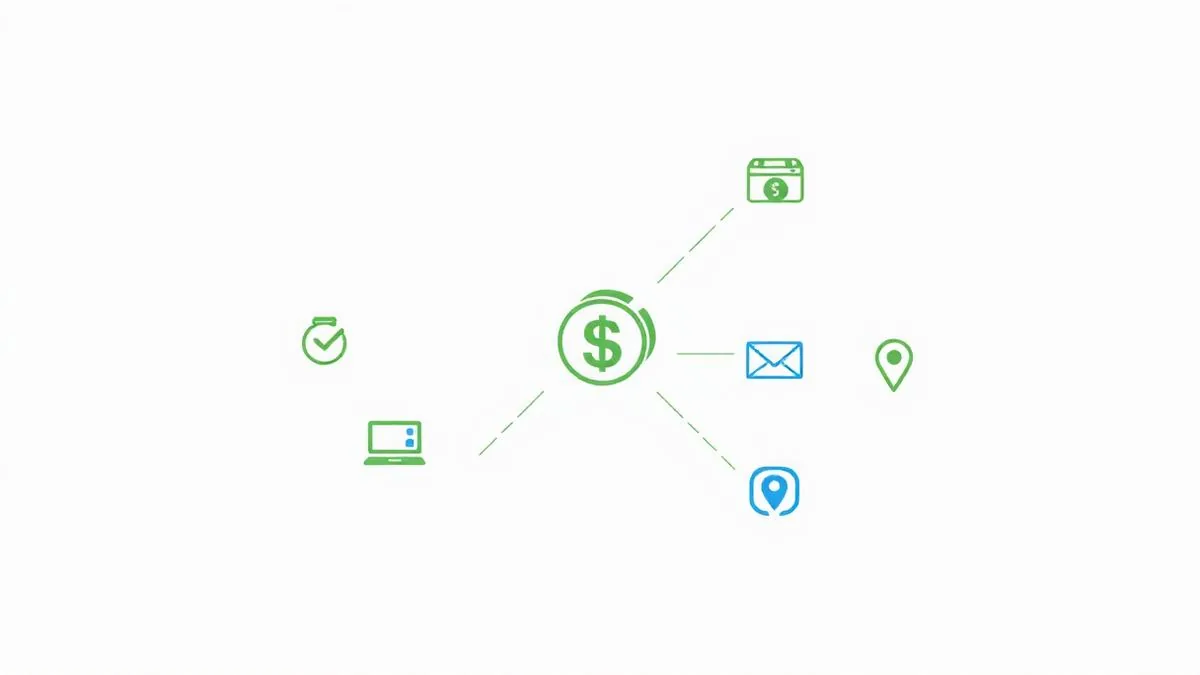
What the campaign uses to decide
PMax combines your asset groups (headlines, descriptions, images, videos, logos), the product feed when there is one and the audience signals you provide. Learning is guided by the configured conversion goal.
In other words: if the tracked conversion is wrong — counting phone clicks as sales, for example — the campaign will optimize precisely for the wrong goal.
When it tends to perform
It's not the answer for every account. It depends on data volume and creative material.
- E-commerce with a well-structured Merchant Center feed.
- Accounts with consistent conversion history and validated tracking.
- Businesses that have exhausted profitable Search volume and want to expand reach.
- Operations with creative available: original images and at least one video.
PMax and Search: coexistence or cannibalization
A recurring question is whether PMax "steals" conversions that would have come from Search anyway — especially brand searches, which would convert even without any active campaign. It's a valid concern: by default, PMax can compete in the same auctions a brand campaign already covers.
PMax's "insights" report shows search categories at a high level, but doesn't reveal the exact term typed — which limits how much overlap you can audit. Two practices reduce the risk:
- Keep a dedicated Search campaign for brand terms, with a defined bid, and use PMax's brand exclusion list so you don't compete with yourself.
- Compare brand conversion volume before and after activating PMax — a sharp drop in brand Search with equivalent growth in PMax signals cannibalization, not real growth.
Controls that stay with you
Even automated, the campaign accepts direction. Ignoring these controls is what usually turns PMax into a source of cheap, irrelevant traffic.
- Brand exclusions and account-level negative lists.
- Segmenting asset groups by product or service line.
- CPA/ROAS targets per campaign, instead of a single target for everything.
- The insights report and asset group analysis to cut what doesn't convert.
Common mistakes when moving to PMax
Some patterns repeat in accounts that swap Search or Shopping for Performance Max without preparation.
- Judging the campaign in the first two weeks. PMax's learning phase usually takes 4 to 6 weeks to stabilize; pausing decisions made before that usually discard a campaign that never had a chance to learn.
- Feeding weak or outdated audience signals. Old remarketing lists or overly generic audiences slow down learning — quality signals (recent buyers, high-value page visitors) speed up convergence.
- A single asset group for the whole catalog. Mixing products or services with very different margins and audiences in one asset group prevents the campaign from optimizing by segment.
- Not excluding keywords at account level. Unlike Search, PMax doesn't accept campaign-level negatives — only account-level negatives, and in some cases Google support has to apply them. Map this before scaling budget.
Resumo: PMax amplifies what the account already has: with reliable conversions and good creative, it scales; without them, it just spends faster.